
-
IBPO Legislative Director Tony Capezza Honored After 50 Years of PubliTony Capezza, Legislative Director for the International Brotherhood of Police Officers (IBPO) and longti...
Read More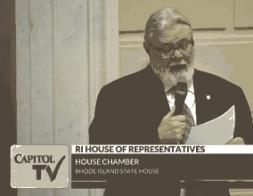 IBPO Demands Baker Rescinds Decision to Not Score Police ExamsPlease see below for the letter sent from NAGE National President David Holway to Governor Charlie Baker deman...
Read More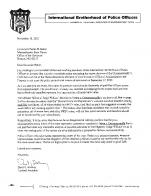 NAGE President Holway joins Federal Salary CouncilNAGE National President David J. Holway was recently sworn in to President Biden's Federal Salary Council.&nbs...
Read More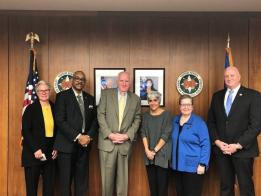
Stay Connected


Latest News
NAGE 2022 Scholarship Winners...
The winners have been drawn! Thank you to all of the NAGE members who submitted an application for...
Local 364 Supports Local Charities...
364 Gives, Donates $20,000 to Three Charitable Organizations
<...
<...




 The American Labor Movement has consistently demonstrated its devotion to the public interest. It is, and has been, good for all America.
 - John F. Kennedy
NAGE HEADQUARTERS
159 Burgin Parkway
Quincy, MA 02169
Main Phone: (617)376-0220
Main Fax: (617)984-5695
Quincy, MA 02169
Main Phone: (617)376-0220
Main Fax: (617)984-5695
Union Local Tax Issues
Federal law now requires that every local union file an annual information return—Form 990, 990-EZ, or 990-N—with the IRS. If your local fails to file under this new requirement..
Read more
